
Centennial’s residential areas include mature subdivisions, newer master-planned neighborhoods, and mixed-use properties throughout the Arapahoe County corridor. Large lots, older trees, and clay-based soil can make routine care more complicated than it first appears. The network of tree care professionals in Aurora knows how to evaluate structural risk, handle root pressure in tight yards, and remove storm-damaged limbs so properties stay safe and accessible through Colorado’s changing seasons.
That is why so many property owners in Centennial, CO, turn to Arbor Tree Care for year-round maintenance.
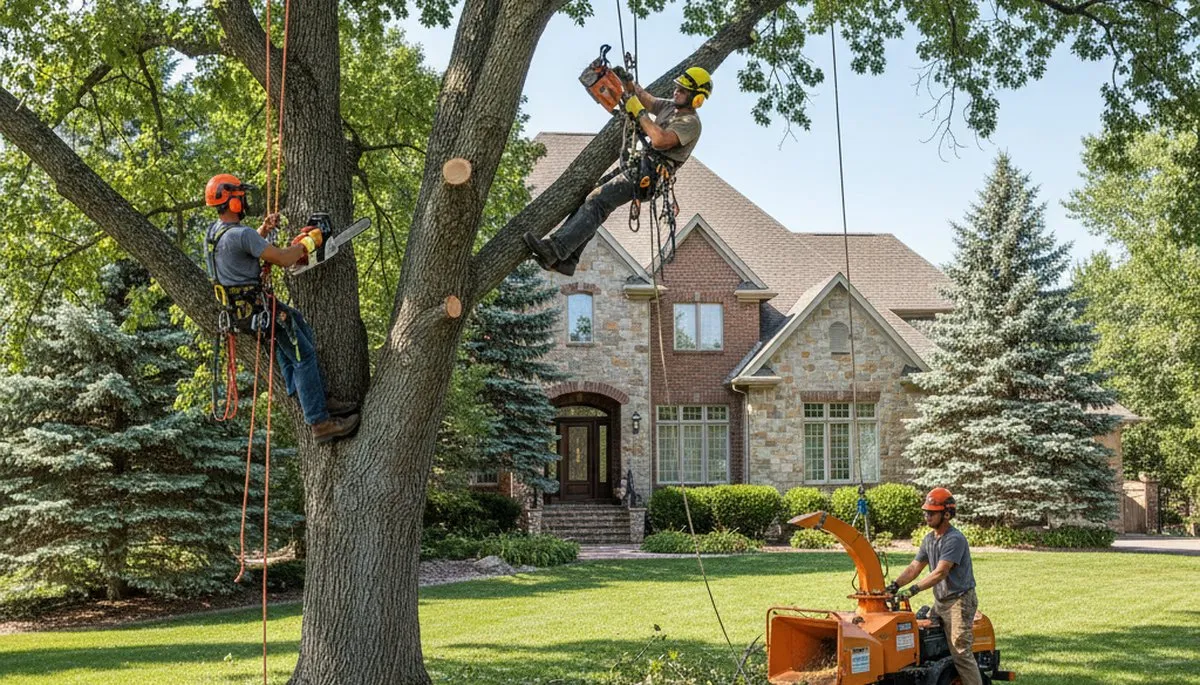
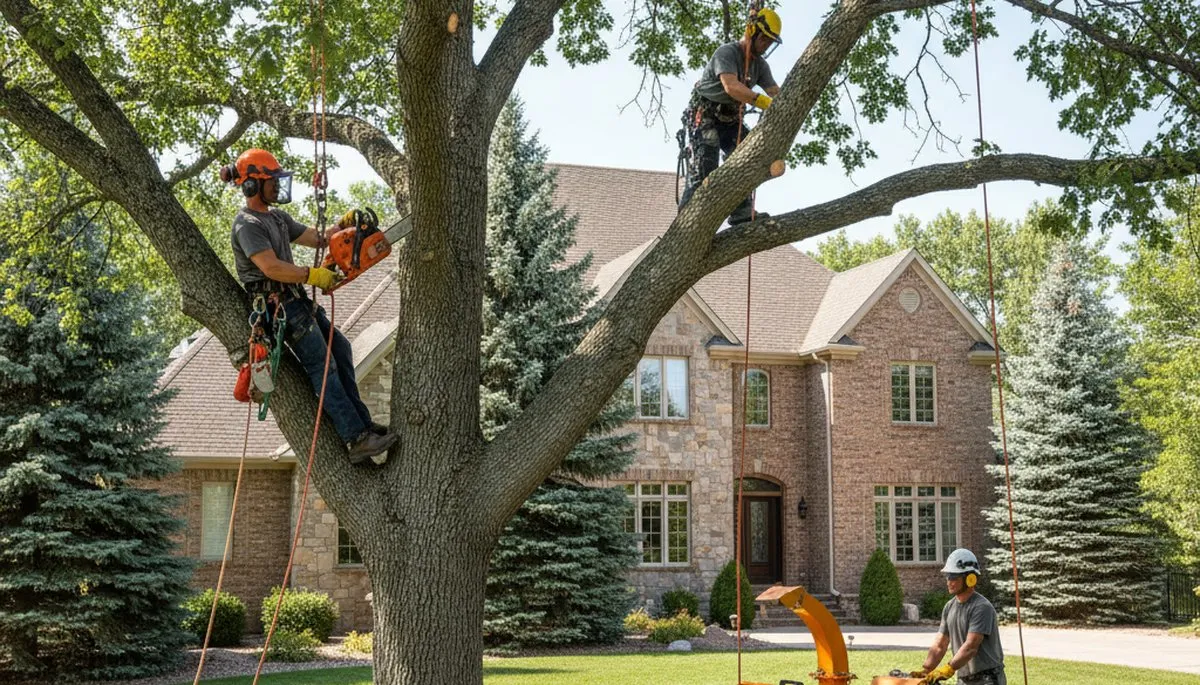

Prefer to Talk to An Expert?
(720) 324-7717
Why Centennial Property Owners Trust Local Professionals to Get It Right
Crews with local experience understand the area’s clay soil, dense canopy growth, and repeated freeze-thaw cycles. That knowledge shapes every job, from equipment selection to pruning methods, so work is better matched to Centennial’s root pressure, storm damage, and drought-related stress.
From structural pruning near the Willow Creek subdivision along East Dry Creek Road to hazardous tree removal near the Streets of SouthGlenn retail corridor, each project is completed with care, precision, and an eye toward long-term property safety.
If you care about the condition of your landscape, local contractors can help keep it healthy, stable, and safe in Centennial’s demanding climate.
Our Tree-Service Services
in Aurora, CO, Include
Tree Service Options That Match Centennial Neighborhood Conditions
Centennial’s lot sizes and access challenges vary widely, which means tree care has to be adapted to each property instead of handled with a single standard approach. Local professionals adjust their methods to fit the layout, canopy, and surrounding features of every home or business.
It makes no difference whether the job is on a larger estate in Foxridge, a townhome community in Highlands at Piney Creek, or a commercial site near the Centennial Airport corridor.
From tree trimming and stump removal to tree disease treatments and root protection, each service is shaped around the character of the neighborhood and the needs of the property.
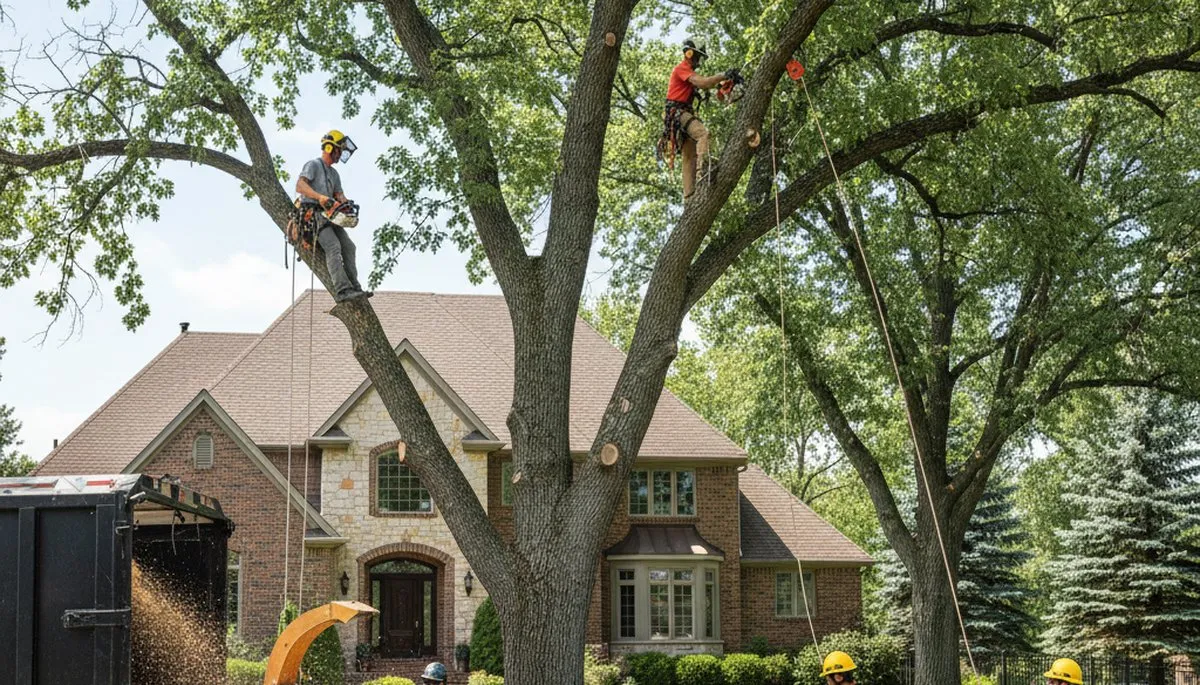
Centennial’s Urban Forest Has Deep Roots
Centennial became a city in 2001, but much of its housing stock was built during decades of suburban growth across Arapahoe County. Cottonwoods, elms, and pines planted in the 1970s and 1980s now define many property lines, bringing older structural concerns, root conflicts, and overgrown canopies that influence how tree care is done today.
Mature Cottonwood and Elm Canopy Along Established Property Lines
In many Centennial neighborhoods, especially Willow Creek, Smoky Hill, and Foxridge, cottonwood and American elm trees have reached full maturity. After years of lateral spread, limbs can extend over fences while roots press into driveways and utility areas, creating risks for damage and access problems.
Local professionals respond with crown reduction, selective limb removal, and root zone assessment to address these issues before they become more serious.
Clay Soil Compaction and Root Health Challenges
The clay-heavy soil common in Centennial holds water during wet periods, but it can also leave roots short on oxygen and stability when dry weather lingers. Compacted root zones may limit nutrient uptake and weaken anchoring roots, which raises the chance of wind damage during Front Range storms.
To manage those conditions, professionals use aeration, expert tree fertilizing solutions, and root zone decompaction methods suited to Centennial’s established neighborhoods.
Drought Stress and Dead Wood Accumulation in Mature Trees
Long periods of drought across the Front Range have caused many Centennial trees to build up dead wood in the upper canopy, which can weaken structure and increase the risk of fire or breakage during strong winds.
Experienced crews address this with dead wood removal, selective thinning, and canopy balancing to support healthier growth and lower hazard exposure on residential and commercial properties.
Front Range Storm Exposure and Wind Damage
Colorado’s Front Range weather often brings sharp temperature swings, high winds, and late-season snow loads, all of which can split limbs or compromise entire trees across Centennial’s mature canopy.
Skilled crews use structural pruning, cable bracing, crown weight reduction, and post-storm inspection to improve stability through the region’s toughest weather. Homeowners dealing with active storm damage can also access reliable storm damage services to handle urgent hazards before they affect structures or access routes.
Tight Access and Equipment Limits in Established Subdivisions
Older Centennial neighborhoods often include narrow side yards, limited clearance, and dense landscaping, which can make staging equipment and hauling debris more difficult without disturbing nearby plantings or hardscape. Local pros rely on compact lifts and hand-climbing methods, along with careful debris control, to complete tree service work without unnecessary impact to the surrounding landscape. For ideas on how to keep your Centennial property maintained year-round, request a free quote from a local professional in Centennial by calling (720) 324-7717. Every property deserves safe access. Let Arbor Tree Care help you maintain it!
Get Your Tree Service Project Started Today

Tree Services in Centennial, CO: Care for Every Season
From seasonal pruning to urgent storm cleanup, here’s how local professionals help keep Centennial properties safe, healthy, and maintained throughout the year:
Routine Tree Trimming and Pruning in Centennial, CO
- Canopy Clearance Along Driveways and Walkways: Overhanging branches near driveways in neighborhoods like Piney Creek and Stonegate are cut back to improve clearance and lower the chance of storm-related breakage during Colorado’s windy seasons.
- Crown Thinning for Mature Cottonwoods: Dense cottonwood canopies in older Centennial neighborhoods are selectively thinned to reduce wind resistance and let more light reach the plantings below.
- Structural Pruning for Young Replacement Trees: Newly planted trees in Centennial’s planned communities are pruned early to encourage strong branch structure before wind and weight become long-term concerns.
- Deadwood Removal from Established Elms and Pines: Dead and declining limbs are removed from mature elms and ponderosa pines to reduce falling debris and limit pressure from pests and disease. Property owners in neighboring communities can also find tree pruning professionals in Littleton, CO handling similar canopy challenges across adjacent Arapahoe County neighborhoods.
- Pre-Storm Season Crown Reduction: Ahead of spring and summer storm season, crown weight is reduced on trees near homes, fences, and utility lines to help limit storm damage.
Book routine trimming before storm season arrives so your Centennial canopy stays stable and your property remains protected.
Tree Removal Services in Centennial, CO
- Hazardous Tree Removal Near Structures: Dead or unstable trees close to homes, garages, and outbuildings are sectioned and removed with rigging that helps protect nearby structures and landscaping.
- Storm-Damaged Tree Removal: Trees with trunk splits, root lift, or major limb loss after Front Range storms are evaluated and removed to eliminate ongoing risk.
- Dead Tree Removal in Confined Yard Spaces: Dead trees in narrow side yards and tight Centennial lots are removed with compact equipment and hand rigging to avoid damage to fencing and nearby plantings.
- Multi-Stem Cottonwood Removal: Overgrown multi-stem cottonwoods that have outgrown their space near lot lines and utility corridors are safely dismantled and cleared away.
- Commercial Property Tree Removal: Trees affecting parking areas, signage, and pedestrian access near Centennial’s commercial corridors along Arapahoe Road and Yosemite Street are removed with traffic control protocols in place.
Removing hazardous trees on time helps protect structures, limit liability, and open space for healthier landscape planning across Centennial properties.
Stump Grinding and Cleanup in Centennial, CO
- Residential Stump Grinding After Tree Removal: Stumps left after removals on Centennial residential lots are ground below grade to remove trip hazards and make room for new sod or replanting.
- Root Flare Grinding for Driveway Protection: Exposed root flares and surface roots near driveways and sidewalks in Foxridge and Willow Creek are ground down to help protect hardscape and slow further damage.
- Multi-Stump Clearing for Landscape Renovation Projects: Properties undergoing full redesign can have several stumps removed in one visit to prepare for new plantings or hardscape work.
- Debris Hauling and Site Cleanup: After grinding, all wood chips are raked up and hauled off, leaving the area clean and ready for seeding or sod installation.
- Stump Treatment to Prevent Resprouting: Some species, especially cottonwood and elm, are treated after grinding to reduce root sprout regrowth in Centennial’s irrigated lawns. Homeowners in nearby communities can also explore stump grinding in Englewood, CO for properties along the shared Arapahoe County boundary.
Stump grinding reclaims usable yard space, removes pest harborage, and prepares Centennial properties for landscape upgrades that can withstand seasonal extremes.
Emergency Tree Services in Centennial, CO
- Fallen Tree Removal After High-Wind Events: Trees and large limbs that fall across driveways, roofs, or fences during Front Range windstorms are cleared quickly to restore access and reduce damage.
- Storm-Damaged Limb Extraction: Partially broken limbs left hanging after hail or wind are carefully rigged and lowered before they can fall on people, vehicles, or structures.
- Root Heave and Leaning Tree Stabilization Assessment: Trees that suddenly lean or show soil heave after saturated conditions are assessed for removal or cable stabilization to prevent failure.
- Post-Snowstorm Canopy Load Reduction: After heavy wet snowfall, which is common in Centennial’s spring season, snow-laden branches are relieved to help prevent splitting and breakage.
- 24-Hour Hazard Response for Active Property Threats: When storm damage creates an immediate threat to occupied buildings or public access routes, emergency crews respond to secure, assess, and clear the area as conditions allow.
Fast emergency response helps protect Centennial properties from secondary damage, keeps access routes open, and resolves storm-related tree hazards before the situation worsens.